



E-Information


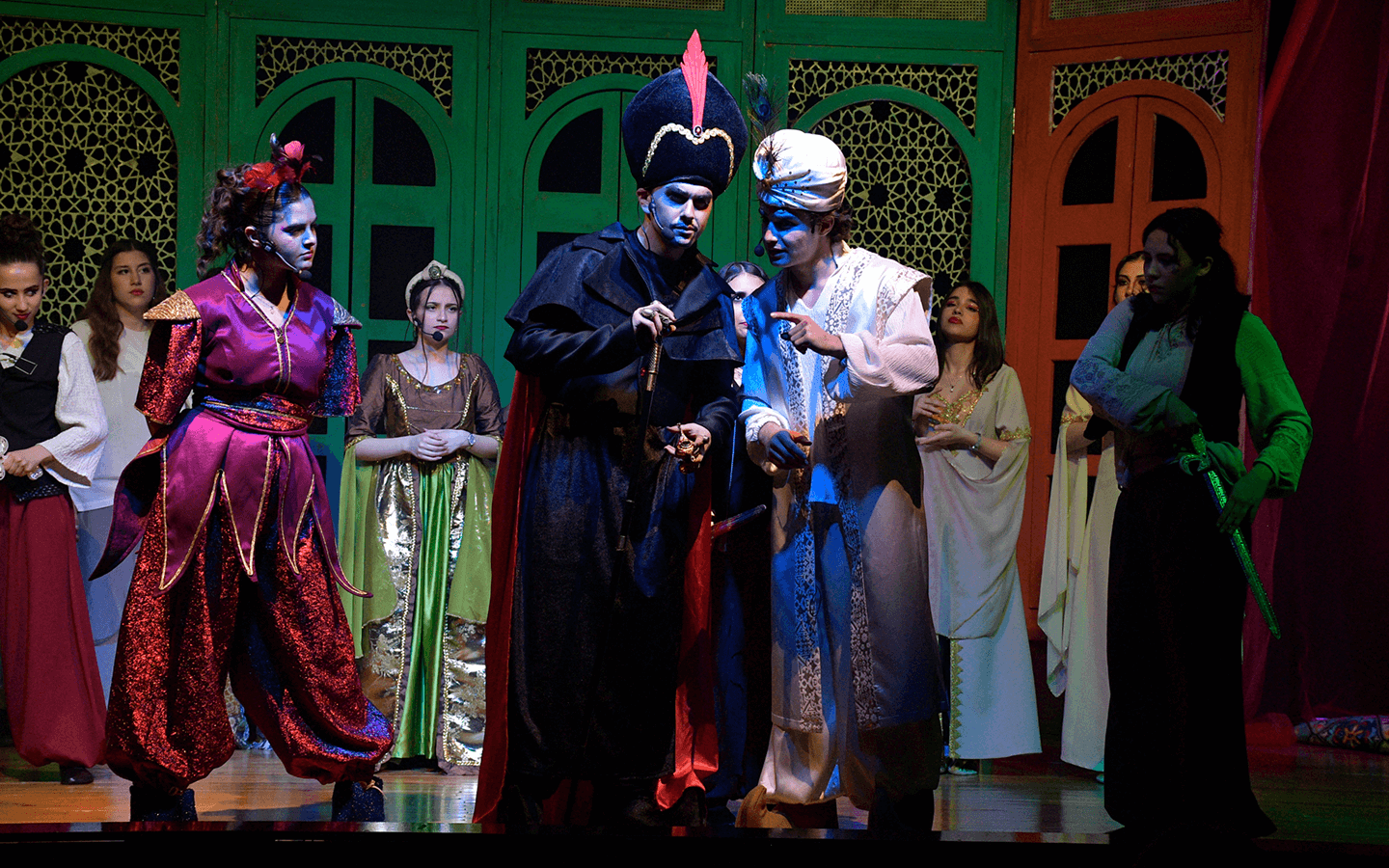
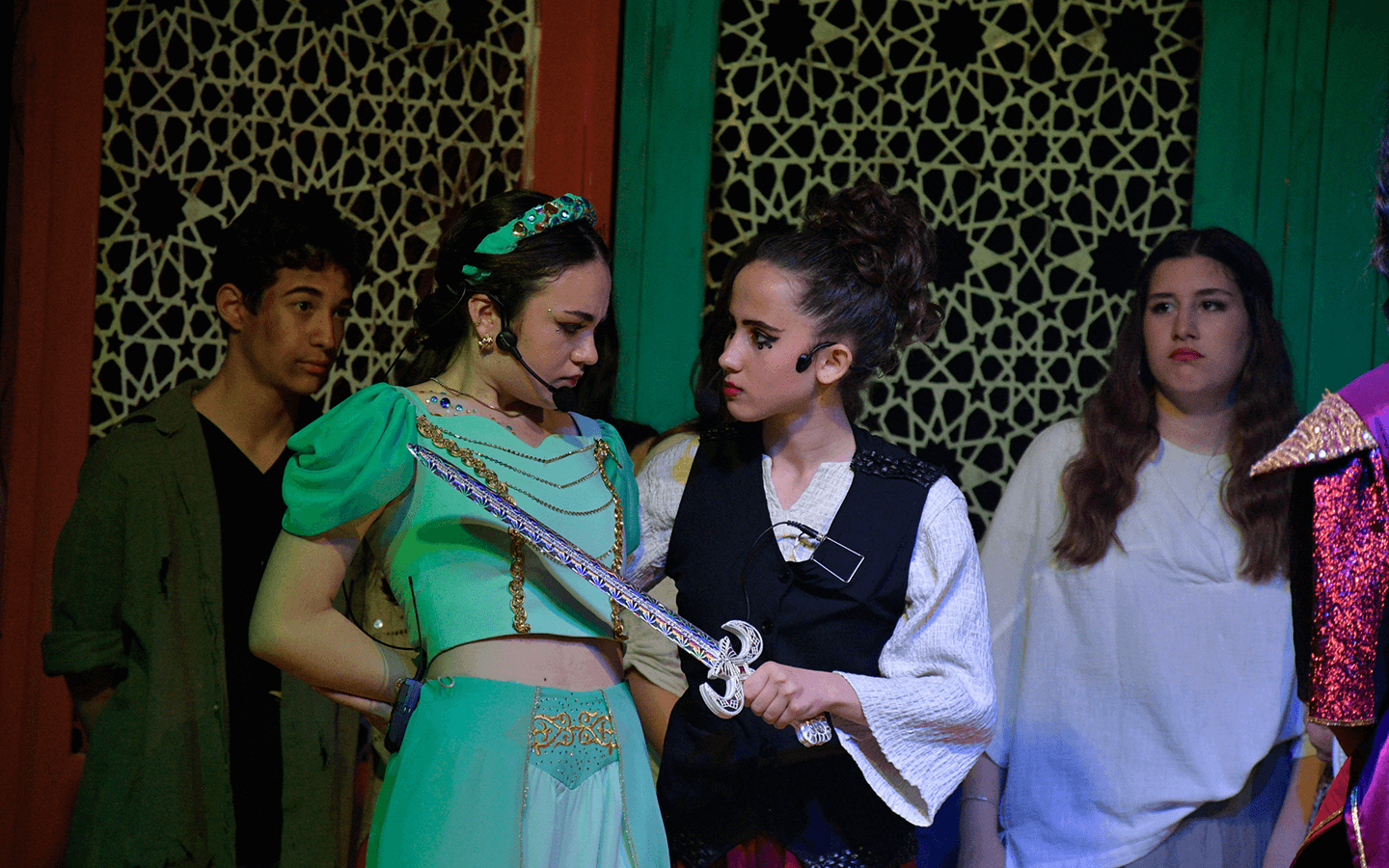
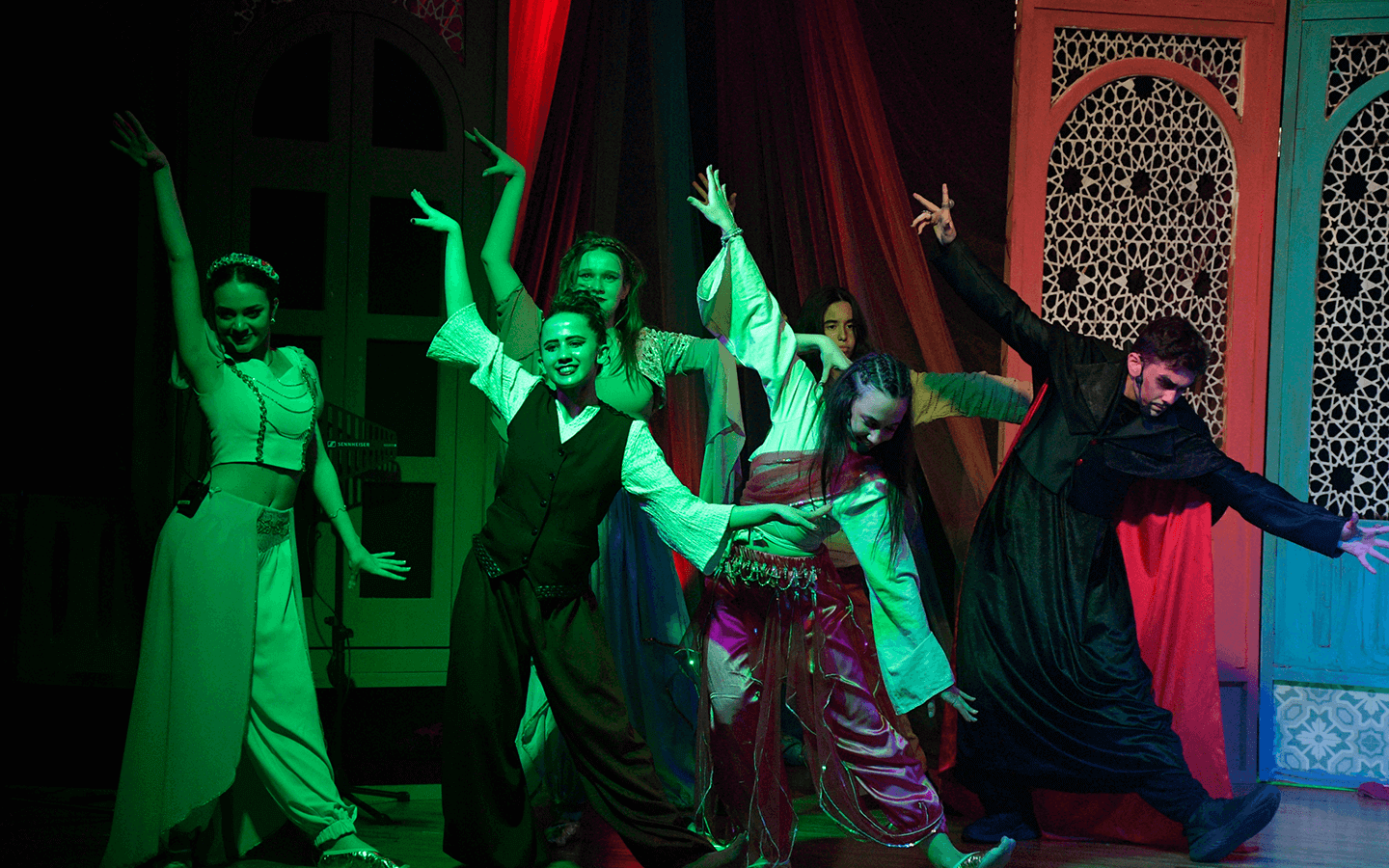
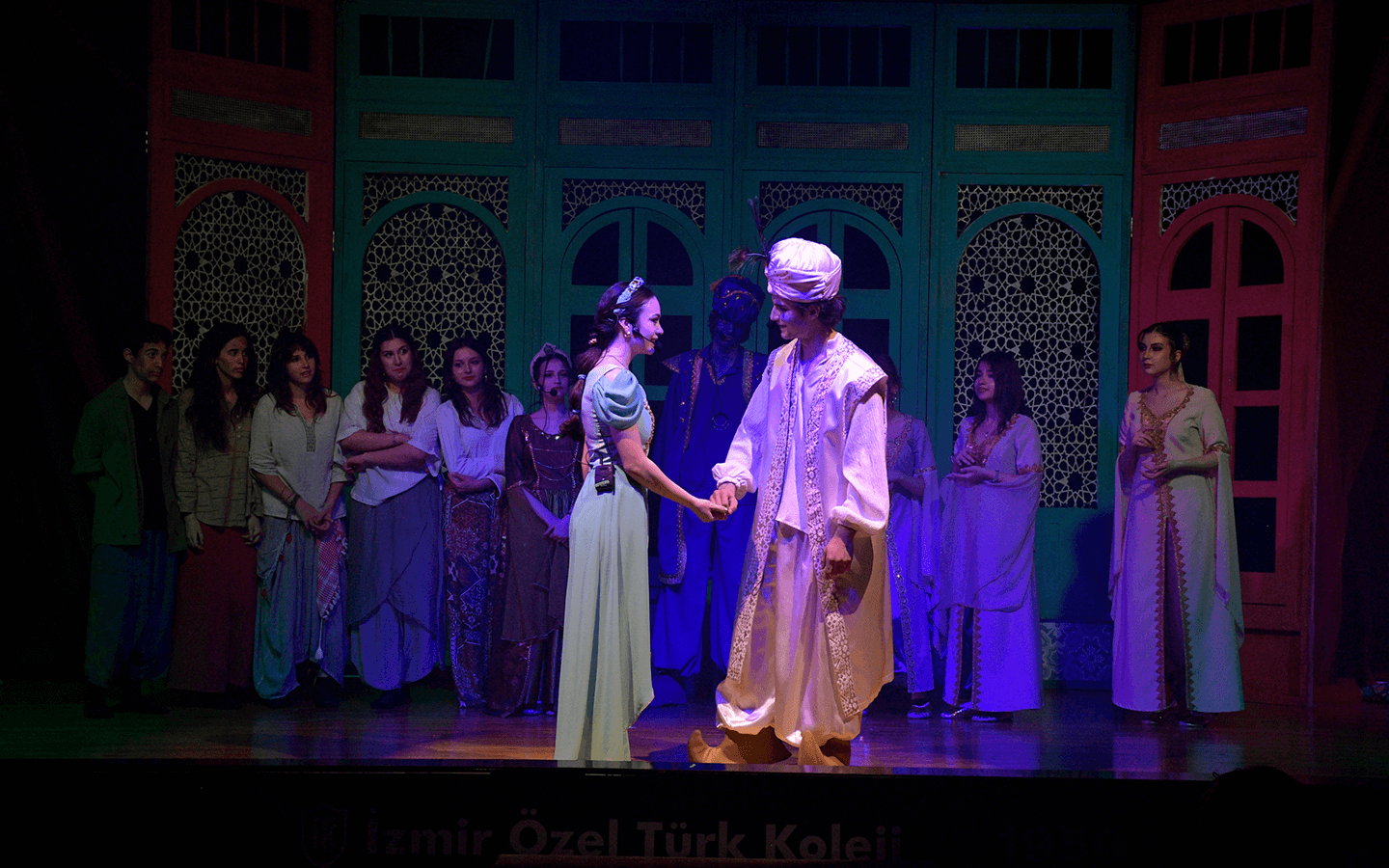
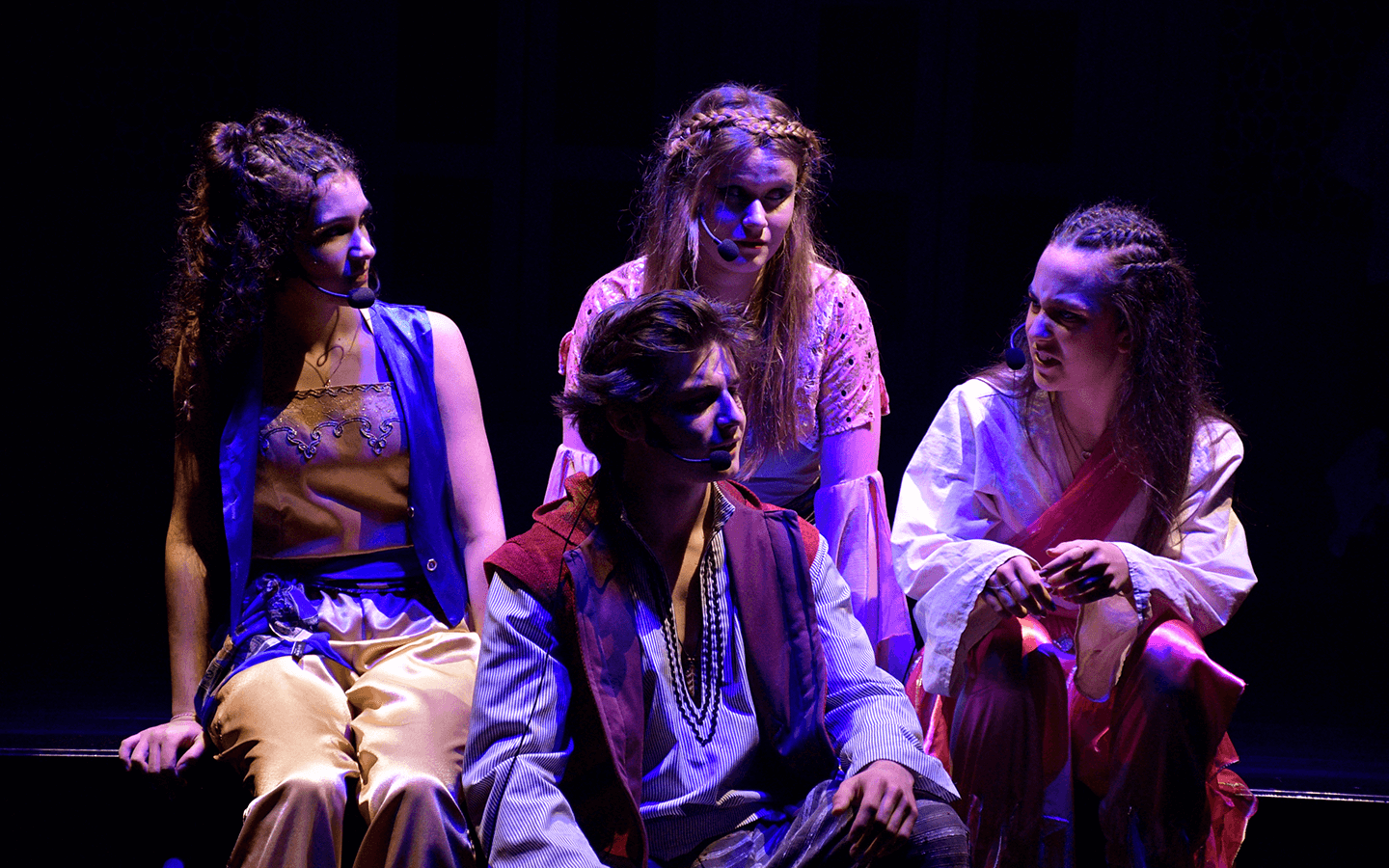
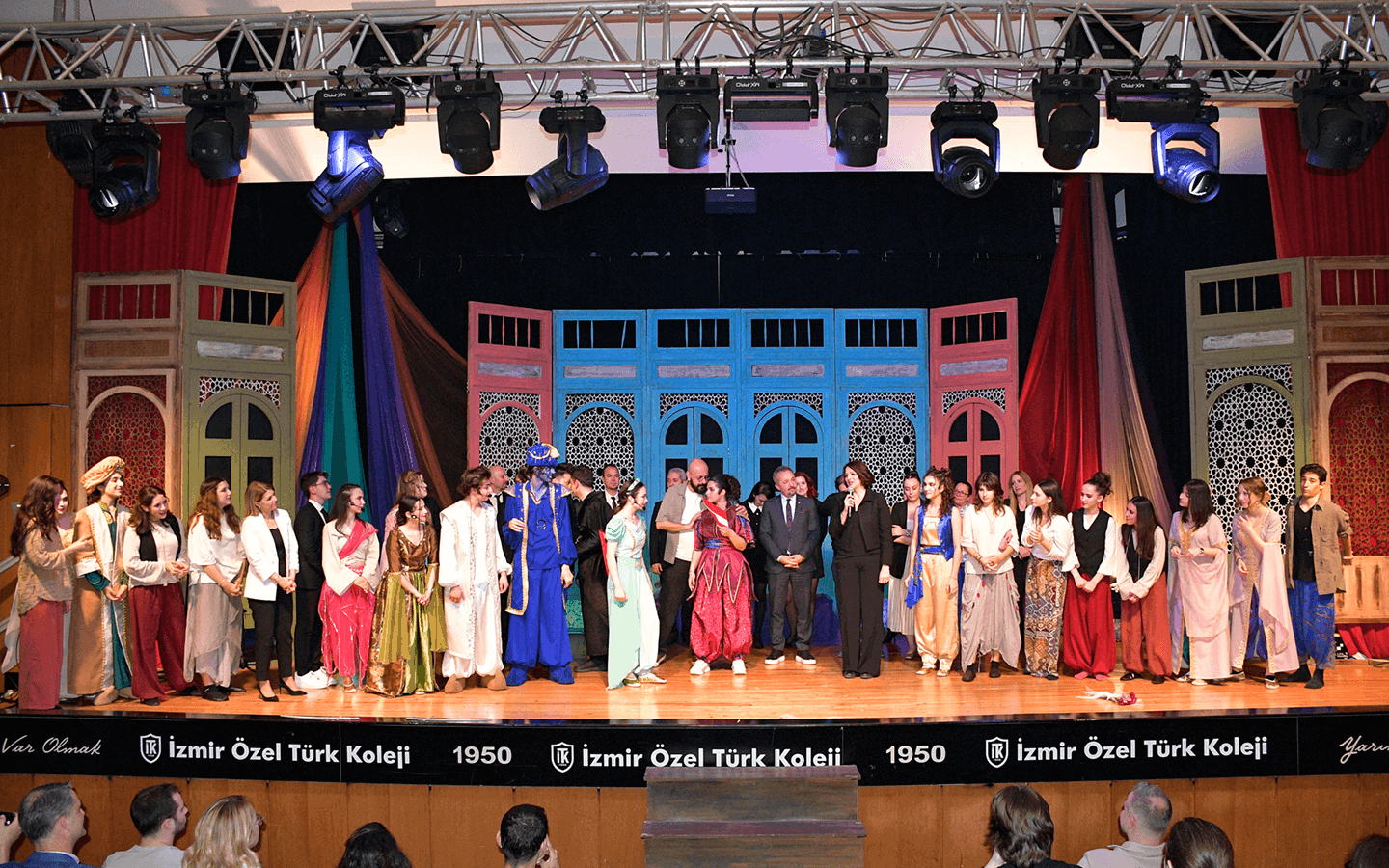
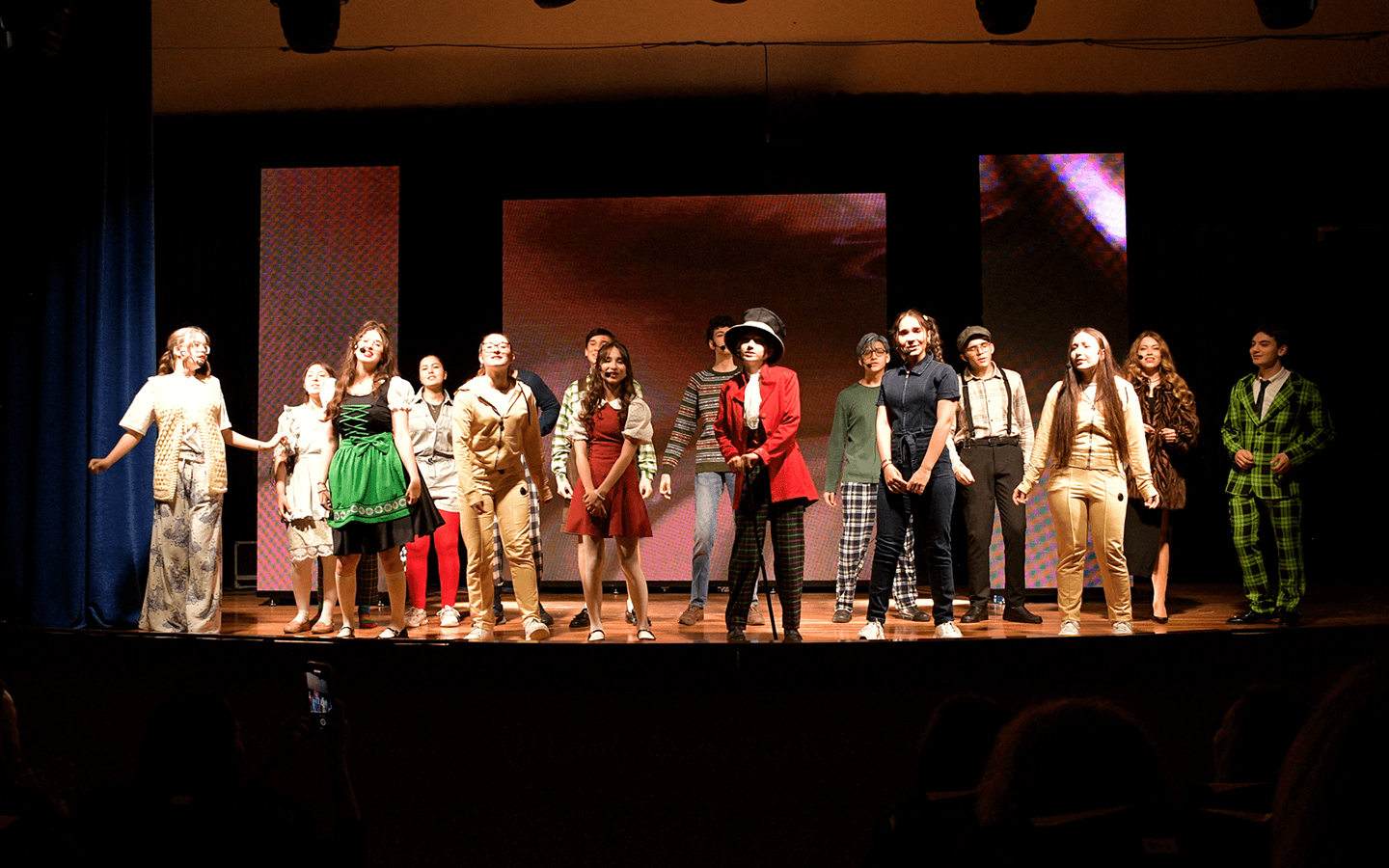
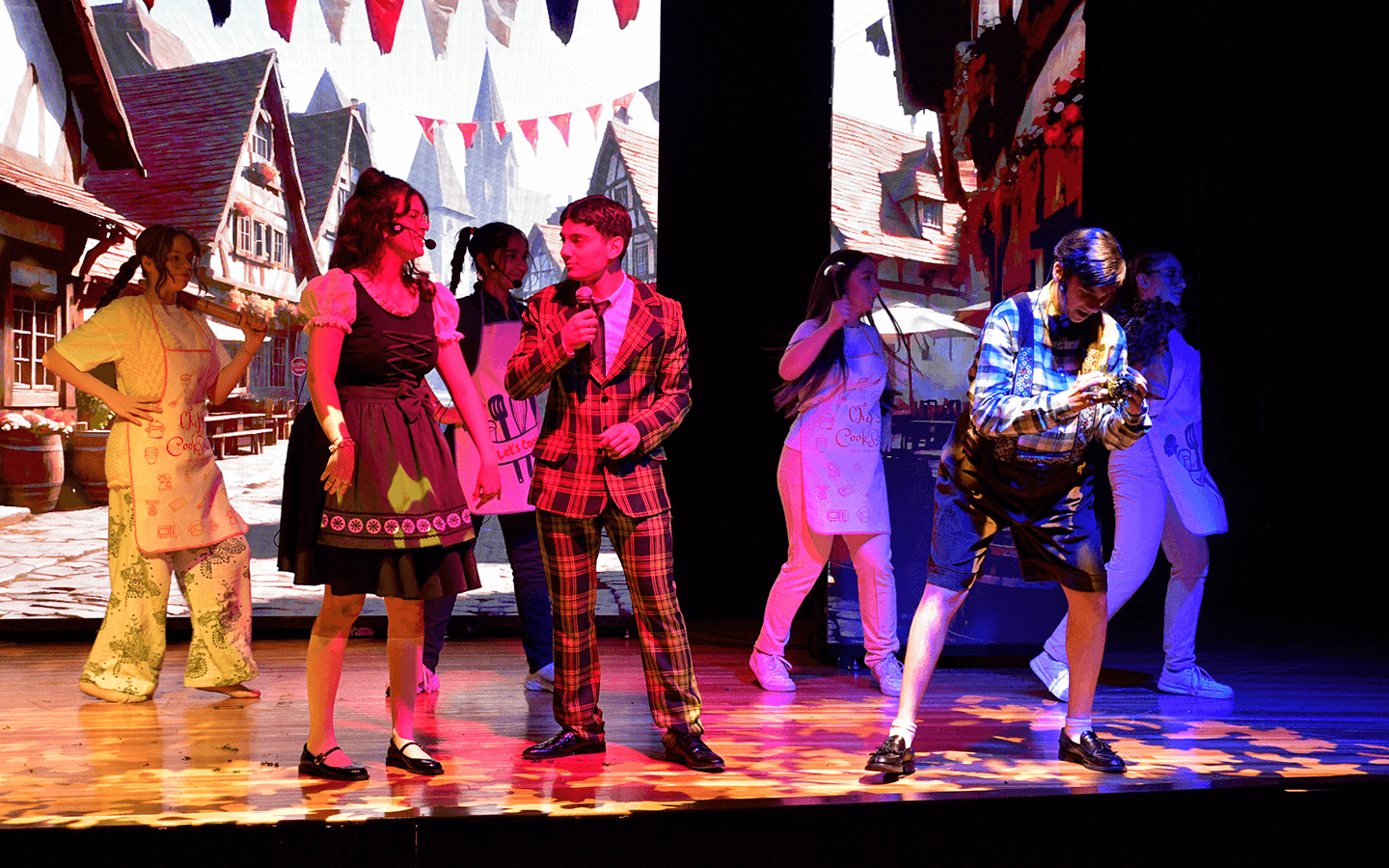
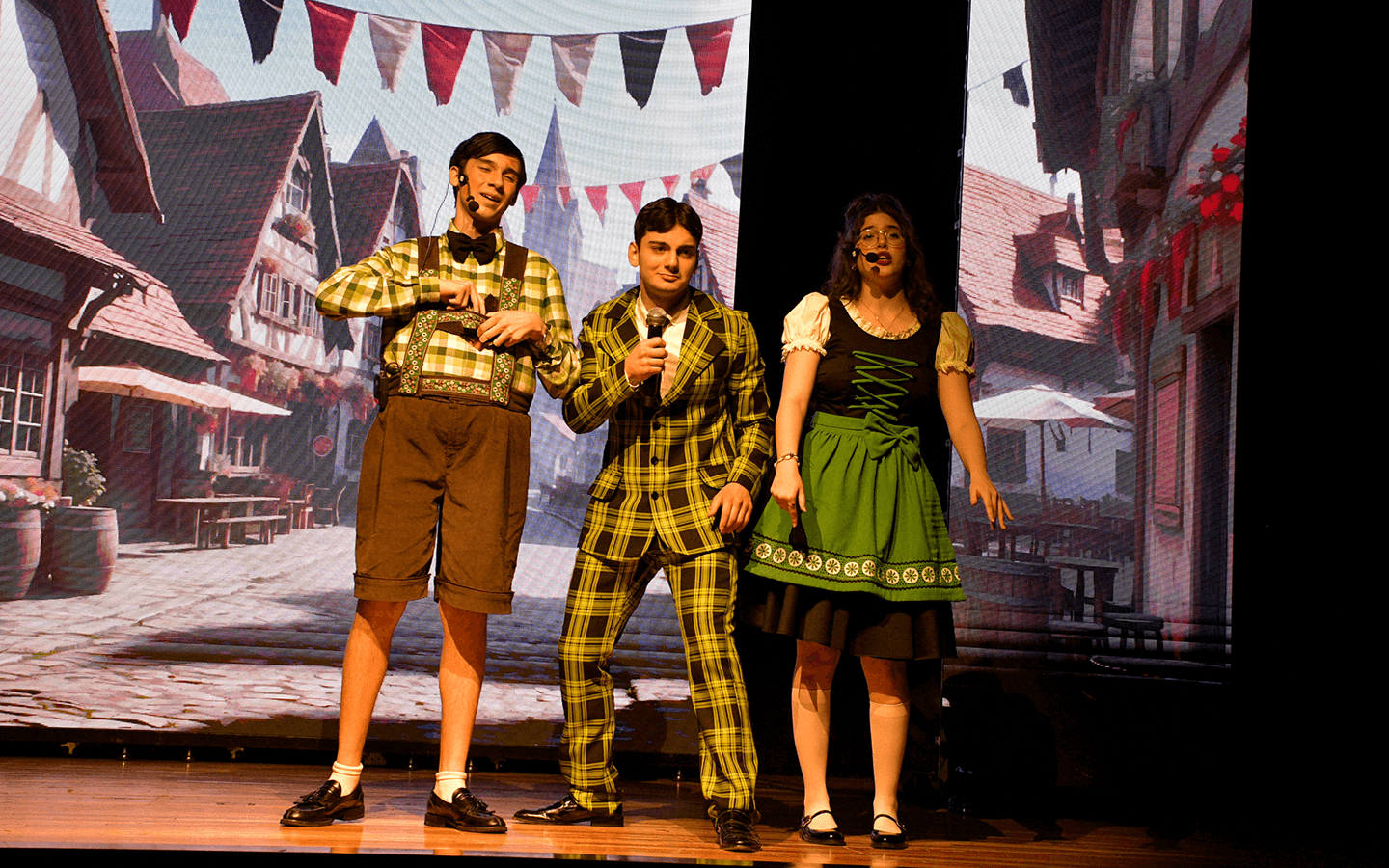
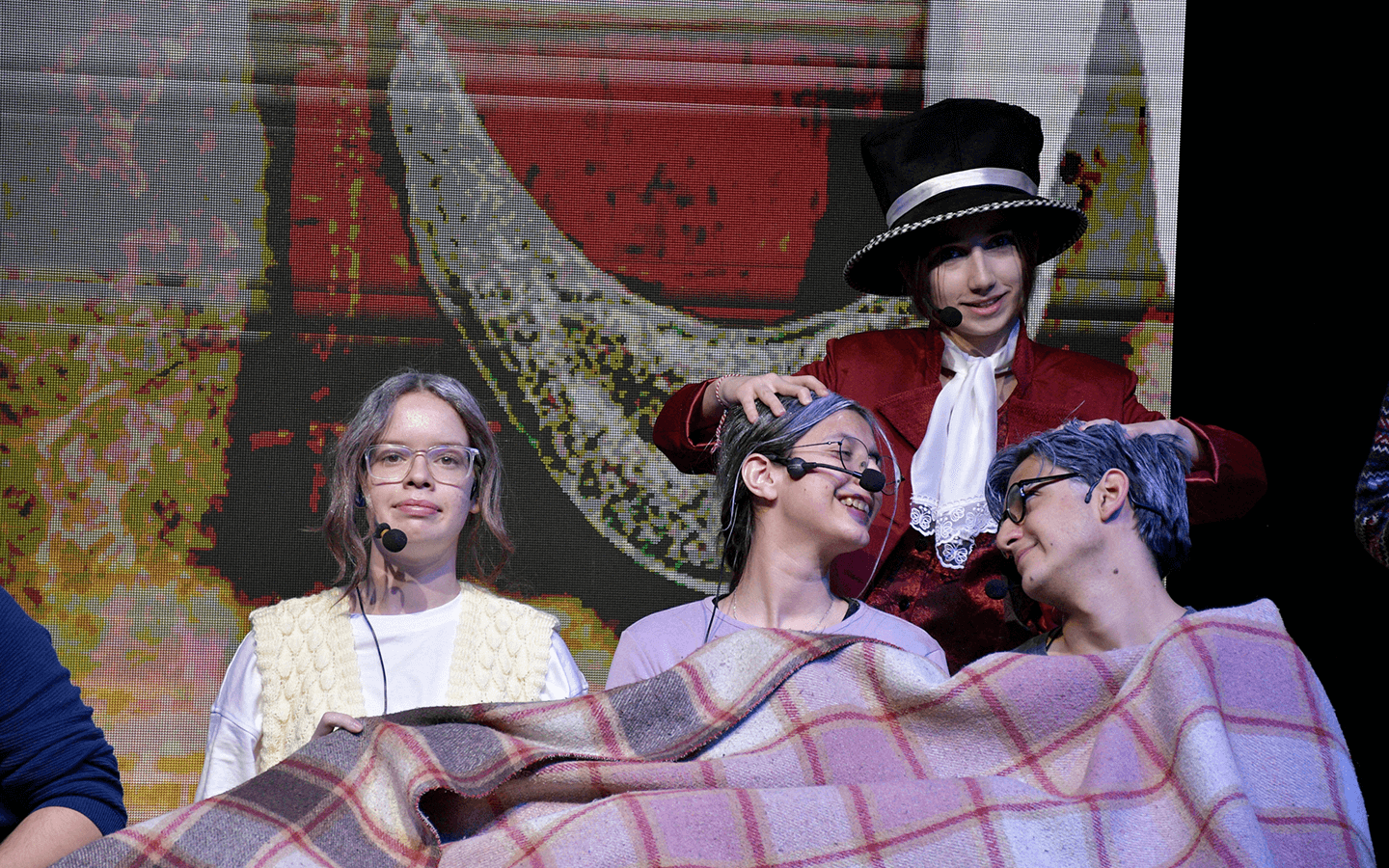
A musical is a unique art form that tells a story through the combination of dialogue, song, and movement, allowing our students to take the stage, gain self-confidence, and develop their artistic expression skills.
This process also makes significant contributions to social skills such as teamwork, creativity, empathy, and communication.
Staging musicals in English offers our students not only artistic but also academic, cultural, and communicative gains. Throughout this process, students learn to speak in front of an audience, not to fear making mistakes, to express their emotions freely, and to become aware of their own potential. The memorization process supports cognitive development while strengthening discipline and focus skills.
A musical is a team effort. While experiencing the joy of creating together within this team spirit, our students learn the importance of responsibility, time management, and empathy. During the role preparation process, their artistic creativity develops through character analysis, body language, and the use of facial expressions. On stage, they learn to manage their emotions, connect with the audience, and share that connection through art.
English-language musicals enable students to use the language with a real purpose. In this way, they learn not only vocabulary and grammar, but also the culture, sense of humor, and forms of expression associated with the language. After weeks of dedicated effort, the stage experience crowned with applause instills in our students a sense of achievement and an appreciation for hard work.
Students who wish to take part in the musical apply with great enthusiasm. Musical auditions are organized to evaluate students’ potential in music, dance, and theater. The goal is not to create a competitive environment, but to contribute to each student’s individual development journey.
Following the auditions, rehearsals begin with the selected teams. Breathing and diction exercises, body language, stage presence, vocal range, and acting studies are carried out meticulously. Roles are assigned based on a detailed analysis of the selected production, taking into account students’ abilities and character traits. In this process, special care is taken to select not the “best,” but the “most suitable” fit.


Bahattin Tatış Mathematics Competition
A long-standing tradition that fosters a love for mathematics and rewards critical thinking.
Detailed Information

İTK Bahattin Tatış National Painting Competition
A national gathering that guides young talents toward art and creativity.


 ÇOGEFEL
 İTK Photography Competition
 Musicals
 Traditional Bahattin Tatış Mathematics Competition
 İTK Bahattin Tatış National Painting Competition
 İTK ELT Conference



 Corporate
 Our History
 Message from Our Board of Directors
 Message from Our Executive Board
 Management
 Becoming a Member of İTK Family
 Our Mission
 İTK Values
 Accreditations
 Our Policies
 İTK Alumni Association
 Sustainability
 İTK Corporate Identity
 Career at İTK
 Schools
 Primary School
 Middle School
 High School
 Campuses
 Academic
 Foreign Languages Education
 Technology
 PDC
PDC Traditional İTK Activities
 Success
 İTK SSAC Academy
 Life at İTK
 Sports, Culture and Arts Centers
 Clubs
Clubs İTK School Parents Association
 İTK Student Association
 İTK Sports Club
 İTKStore
 İTK Podcast
 Registration
 New Semester Registration
 Required Documents
 Online Registration
 Individual Admission Exam
 ADS
ADS Medya
Medya News and Annoncements
 Events
 Corporate Publications
 Blog
Blog Contact